
atmungstherapeuten.com

Training programme

Day seminars and qualification courses for home mechanical ventilation and out-of-hospital intensive care – at OPIC-Sim® Berlin or on site at your facility.

Day seminars

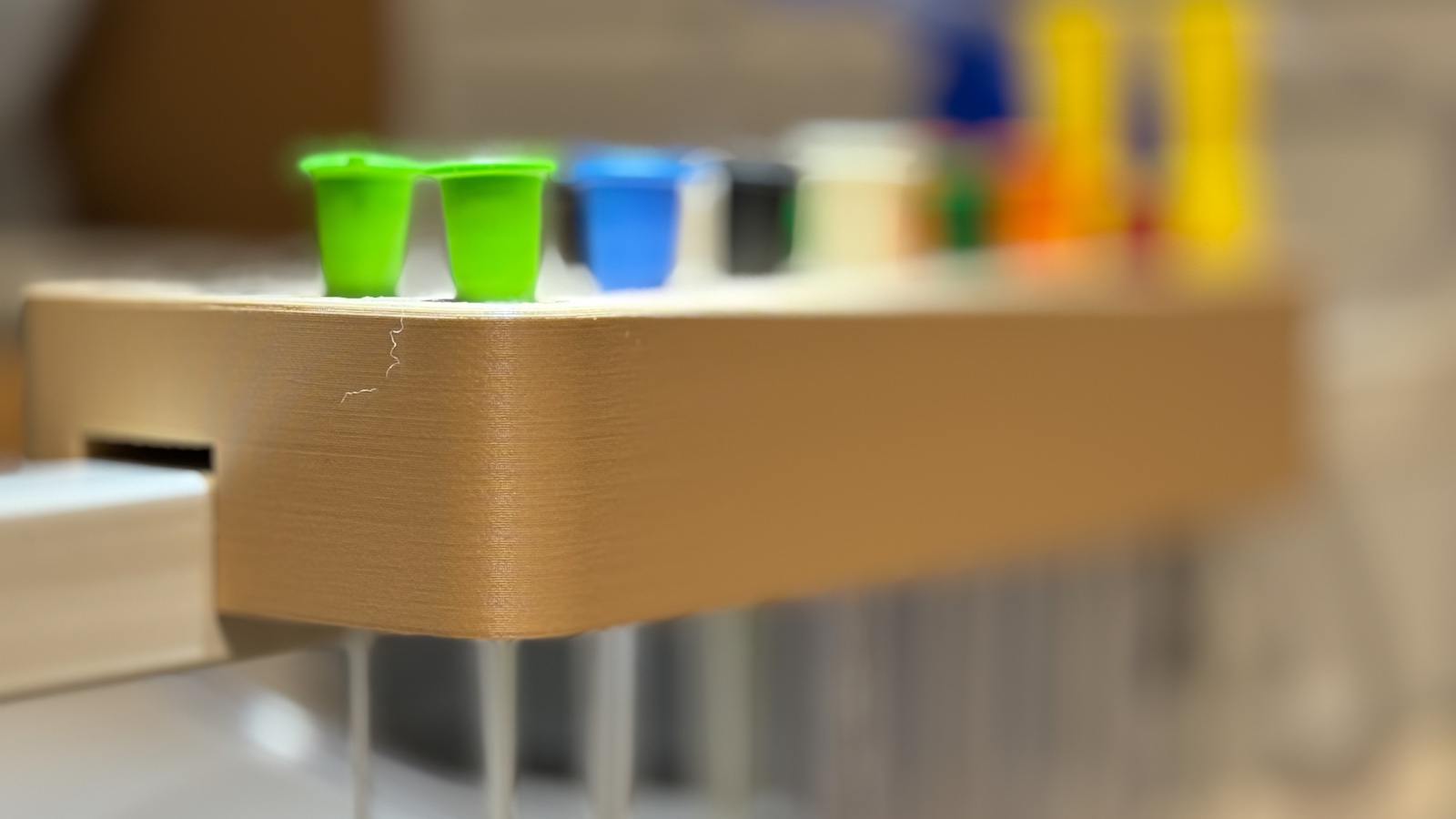
Hands-on with real equipment. Every seminar is also available as in-house training at your facility – with OPIC-Sim® Mobile the complete training equipment travels with us. The tag shows where else the seminar takes place: at OPIC-Sim® Berlin at the HCPR Academy.

Emergency Management in Home Mechanical Ventilation and Out-of-Hospital Intensive Care

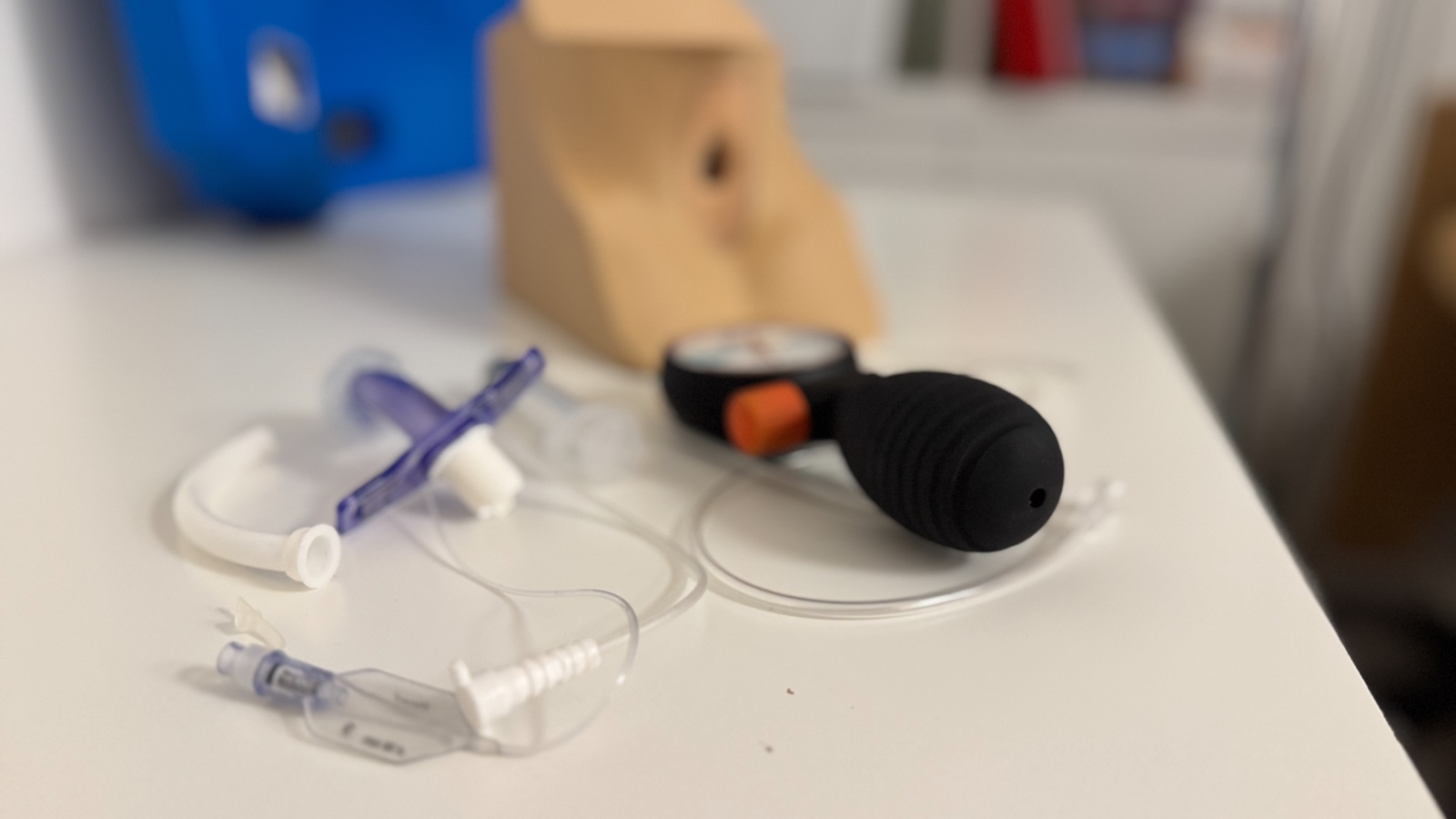
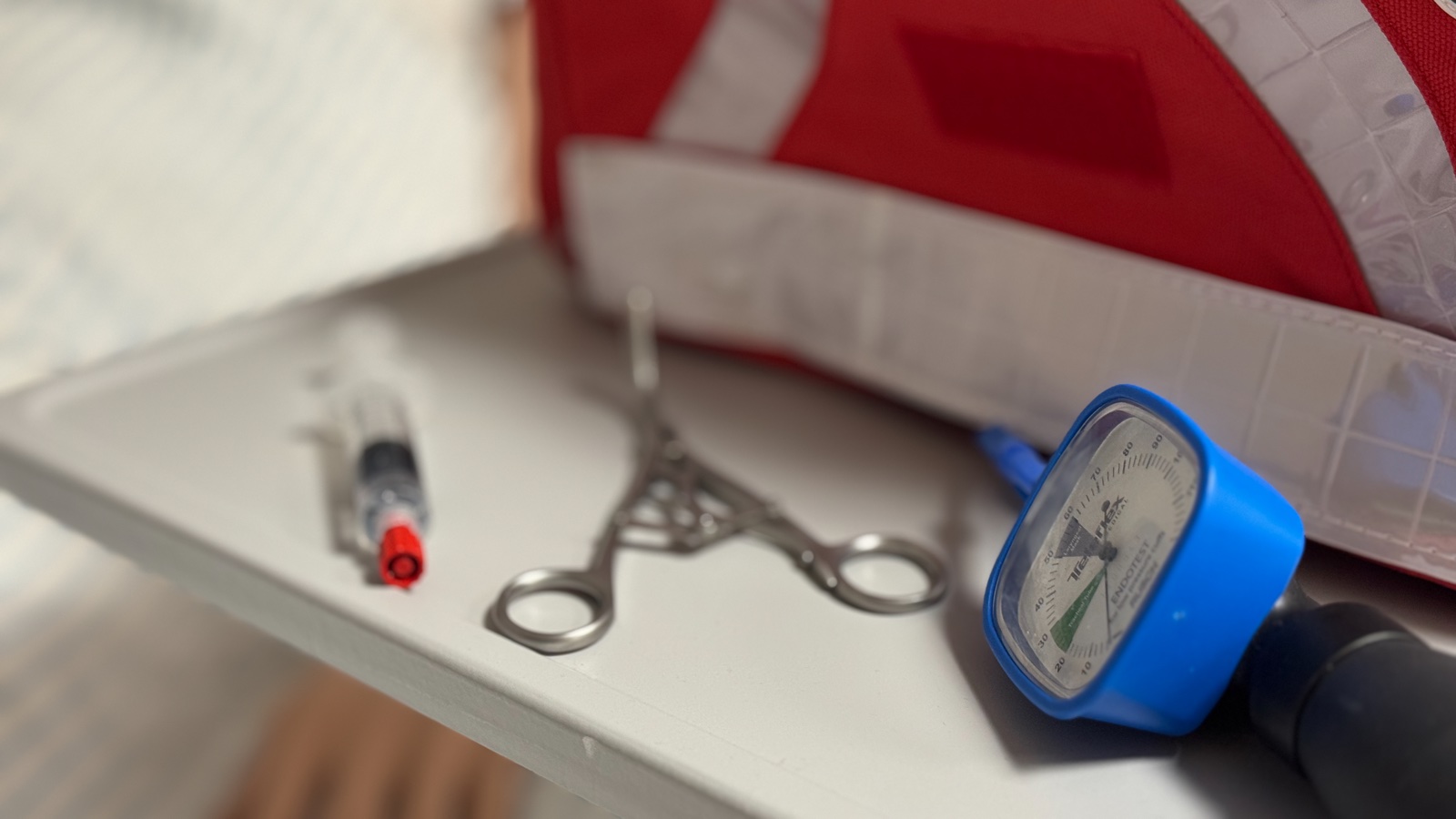
What belongs in the emergency kit? Which cannula makes a good emergency cannula?

In-house · OPIC-Sim® MobileOPIC-Sim® Berlin · HCPR Academy

Secretion Management with Tracheostomy Tubes and Ventilation

How much secretion is too much? Can frequent suctioning be harmful?

In-house · OPIC-Sim® MobileOPIC-Sim® Berlin · HCPR Academy

Auscultation and Patient Observation

Am I allowed to listen to a patient's lungs? And how is it actually done?

In-house · OPIC-Sim® MobileOPIC-Sim® Berlin · HCPR Academy

Practical Seminar: Competent Home Ventilation and Intensive Care for Beginners

When is oxygen saturation good? And how deep may I actually suction?

In-house · OPIC-Sim® MobileOPIC-Sim® Berlin · HCPR Academy

Nursing Update: Home Mechanical Ventilation and Intensive Care

Am I up to date? What's new in intensive care?

In-house · OPIC-Sim® MobileOPIC-Sim® Berlin · HCPR Academy

Tracheostomy Tubes and Tracheostoma Care

Confident with tracheostomy tubes and tracheostomies? Does it really close up that quickly?

In-house · OPIC-Sim® MobileOPIC-Sim® Berlin · HCPR Academy

Nursing Care in Invasive Home Mechanical Ventilation

Can you speak with a tracheostomy tube and ventilation? How often should I read the values on the device?

In-house · OPIC-Sim® MobileOPIC-Sim® Berlin · HCPR Academy

Caring for People with Neuromuscular Diseases and Ventilation

How often does the cough-assist device need to be used? How do I recognise that a patient is under-ventilated?

In-house · OPIC-Sim® MobileOPIC-Sim® Berlin · HCPR Academy

Port Care and Parenteral Nutrition

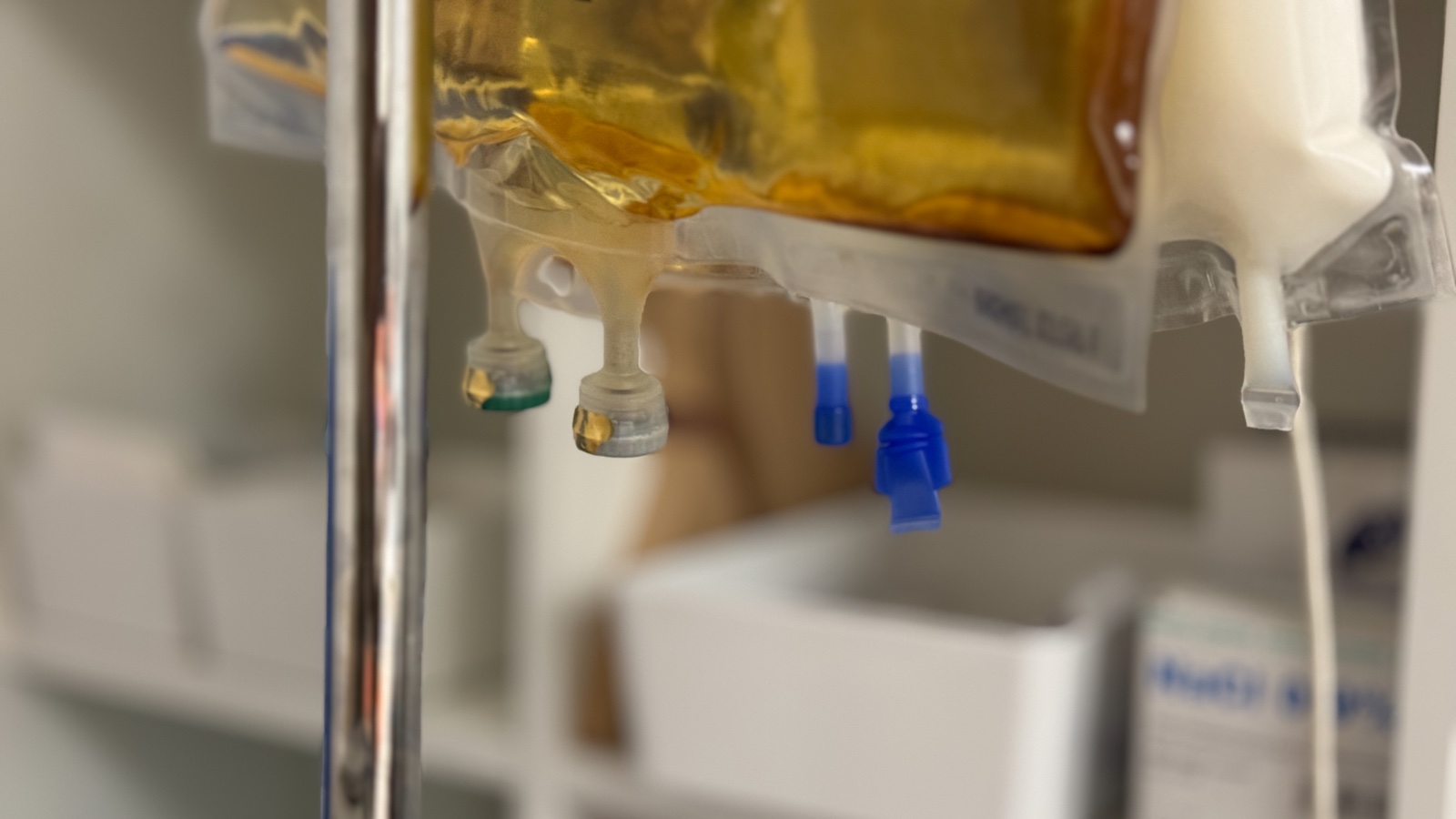
Confident with port systems and nutrition? What is actually in the bag?

In-house · OPIC-Sim® MobileOPIC-Sim® Berlin · HCPR Academy

Masterclass – Suctioning

How efficient is my suctioning? Do long catheters suction better?

In-house · OPIC-Sim® MobileOPIC-Sim® Berlin · HCPR Academy
In-house training · OPIC-Sim® Mobile

Your seminar at your facility – with complete training equipment

The learning centre comes to you – realistic practice in your own rooms.

You choose one of the day seminars from the programme or put together your own programme from the content – from half a day to a multi-day qualification. We agree content, duration and group size in advance; practice takes place on your devices and on the equipment we bring, with your patients and routines in mind.

  • All day seminars of the programme as an in-house version
  • Your own combination of seminar content
  • Learning and practising on the ventilators and training models we bring
  • Emergency training with realistic scenarios
  • Tailored to your patients, devices and routines
✕

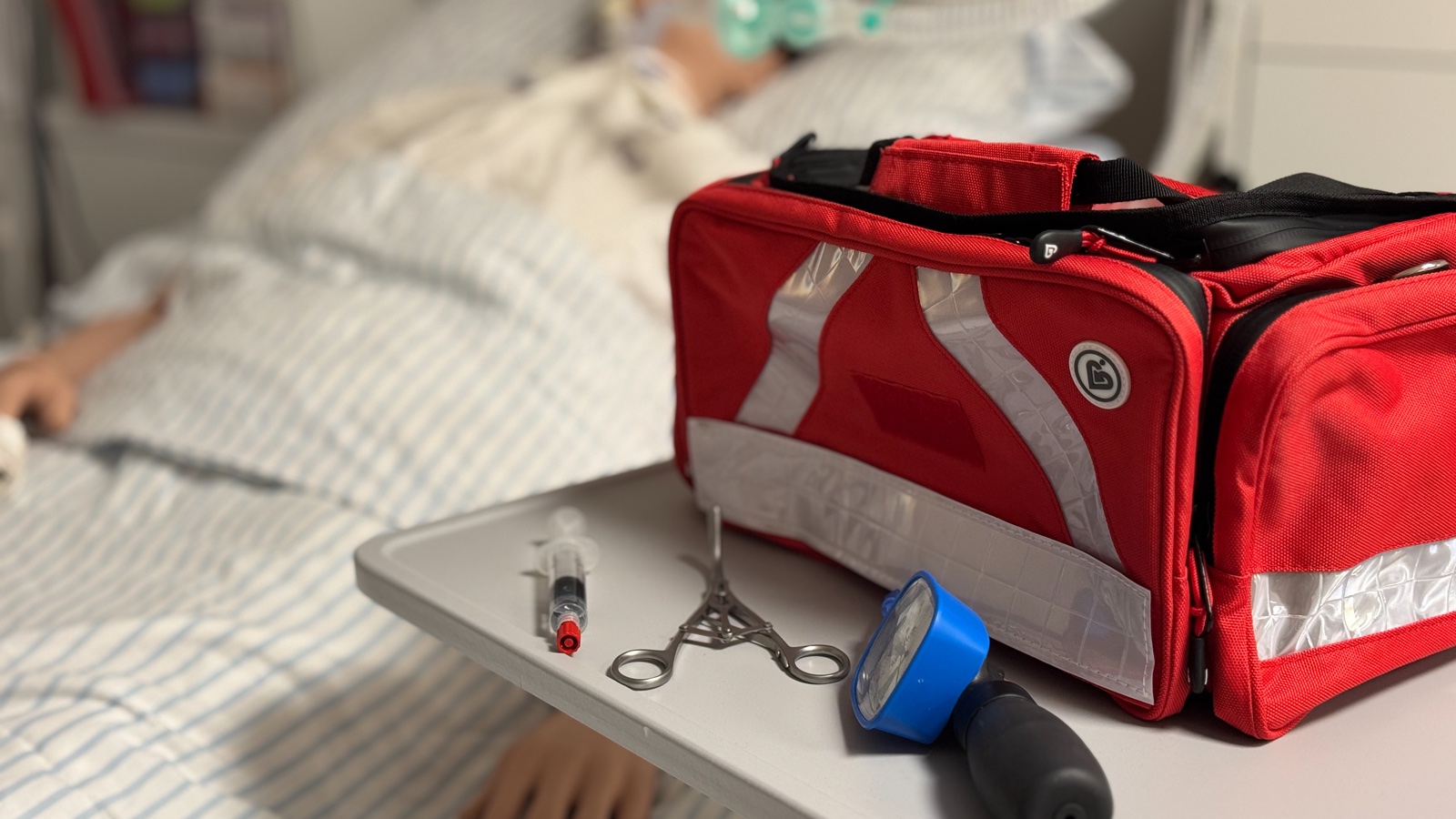
Emergency Management in Home Mechanical Ventilation and Out-of-Hospital Intensive Care

What belongs in the emergency kit? Which cannula makes a good emergency cannula?

In-house · OPIC-Sim® MobileOPIC-Sim® Berlin · HCPR Academy

Emergencies are a topic that can rarely be rehearsed realistically – in out-of-hospital intensive care as much as in every other area of community and inpatient nursing.

In our training centre, designed specifically for out-of-hospital intensive care and ventilation and equipped with fully furnished intensive-care rooms, theoretical knowledge becomes tangible and realistic. Emergency situations are re-enacted in different scenarios and the fundamentals are taught safely.

The focus of emergency management is on recognising critical situations as they develop and acting early, so that life-threatening situations are intercepted and avoided. Targeted patient observation and device-based monitoring are taught alongside a basic understanding of the underlying disease and the associated ventilation therapy.

What the seminar offers

In this seminar you train emergency situations in out-of-hospital intensive care in a hands-on way. In realistic scenarios you learn to recognise critical situations early and to act appropriately in order to prevent life-threatening events. You will master patient observation as well as device-based monitoring, complemented by an understanding of underlying diseases and ventilation therapies in emergency management.

Contents

  • Background on emergencies in out-of-hospital intensive care and ventilation
  • Realistic training of different scenarios
  • Recommendations for action in emergency management
  • Resuscitation drills and use of aids
  • The emergency kit
  • Further information for good practice

Where

  • In-house / OPIC-Sim® Mobile – on site at your facility, with complete training equipment. Date and programme on request.
  • OPIC-Sim® Berlin – in the programme of the HCPR Academy Berlin: dates and registration there (German).
Enquire about this seminar Back to overview

✕

Secretion Management with Tracheostomy Tubes and Ventilation

How much secretion is too much? Can frequent suctioning be harmful?

In-house · OPIC-Sim® MobileOPIC-Sim® Berlin · HCPR Academy

Whether ventilated or not, people who need out-of-hospital care with intensive nursing requirements often have secretion-related limitations – because of a tracheostomy tube, invasive ventilation or the underlying disease. Cough insufficiency in neuromuscular diseases, dry secretions in lung disease and ventilation, or excessive saliva production and dysphagia are common problems. In every case, nurses need sound knowledge of secretion management, because the justification for intensive care often lies exactly here. Effective secretion management and confidence in handling suction devices, cough-assist devices and tracheostomy tubes form the basis for high-quality care and quality of life for patients.

What the seminar offers

In this seminar you learn how to optimally support people in out-of-hospital care with intensive nursing needs – with a tracheostomy tube, invasive ventilation or underlying diseases. You gain knowledge in secretion management, suction and cough-assist devices and tracheostomy tubes, giving you the practical skills to ensure high-quality care and a better quality of life for patients.

Contents

  • Physiological basics
  • Secretion management in different diseases
  • Observing secretions and the patient
  • Endotracheal suctioning
  • Humidification and inhalation
  • Manual techniques and cough assistance

Where

  • In-house / OPIC-Sim® Mobile – on site at your facility, with complete training equipment. Date and programme on request.
  • OPIC-Sim® Berlin – in the programme of the HCPR Academy Berlin: dates and registration there (German).

Enquire about this seminar Back to overview

✕

Auscultation and Patient Observation

Am I allowed to listen to a patient's lungs? And how is it actually done?

In-house · OPIC-Sim® MobileOPIC-Sim® Berlin · HCPR Academy

Alongside ventilation care and the necessary therapies such as cough assistance, inhalation and endotracheal suctioning, patient observation is the second essential pillar in caring for out-of-hospital intensive-care and ventilated patients. It serves the continuous monitoring of patients and the course of their illness and the evaluation of therapeutic measures. This includes the regular documentation of ventilation parameters as well as assessing the patient's situation with additional tools. Auscultation of the lungs plays a central role here: a simple method of patient observation that provides information on secretion status and treatment success.

What the seminar offers

In this seminar you acquire sound knowledge and practical skills for observing and monitoring out-of-hospital intensive-care and ventilated patients. You learn how to document ventilation parameters correctly, assess the patient's situation and use lung auscultation to evaluate secretion status and treatment success. With hands-on exercises and expertise in device-based monitoring and blood gas analysis, you are prepared to raise the quality of care.

Contents

  • Basics of patient observation
  • Device-based monitoring
  • Ventilation parameters and their values
  • Pulse oximetry and blood gas analysis
  • Lung auscultation with practical exercise
  • Documentation

Where

  • In-house / OPIC-Sim® Mobile – on site at your facility, with complete training equipment. Date and programme on request.
  • OPIC-Sim® Berlin – in the programme of the HCPR Academy Berlin: dates and registration there (German).

Enquire about this seminar Back to overview

✕

Practical Seminar: Competent Home Ventilation and Intensive Care for Beginners

When is oxygen saturation good? And how deep may I actually suction?

In-house · OPIC-Sim® MobileOPIC-Sim® Berlin · HCPR Academy

Nurses – especially newcomers to community intensive care – face a wide range of challenges. Caring for patients who depend on ventilators and looking after seriously ill people who need continuous monitoring require a sound understanding and expertise in handling modern technology.

This practice-oriented seminar covers the various aspects of out-of-hospital ventilation and intensive care to give you confidence in handling medical devices and caring for patients. Technology in healthcare is advancing rapidly, so it is essential to become familiar with a broad range of aids.

What the seminar offers

The seminar offers hands-on training in the safe handling of various medical devices such as ventilators, cough-assist devices and monitoring systems. You develop a deep understanding of the technology while learning medical fundamentals such as respiratory physiology, underlying diseases and tracheostomy tubes.

Contents

  • The field of ventilation nursing
  • Diseases that lead to ventilator dependency
  • Tracheostomy tube and suctioning
  • Basics of ventilation
  • Ventilators and their values
  • Monitoring systems

Where

  • In-house / OPIC-Sim® Mobile – on site at your facility, with complete training equipment. Date and programme on request.
  • OPIC-Sim® Berlin – in the programme of the HCPR Academy Berlin: dates and registration there (German).

Enquire about this seminar Back to overview

✕

Nursing Update: Home Mechanical Ventilation and Intensive Care

Am I up to date? What's new in intensive care?

In-house · OPIC-Sim® MobileOPIC-Sim® Berlin · HCPR Academy

Even experienced nurses in out-of-hospital intensive care face the challenge of staying up to date. New technologies, revised care protocols and the ongoing development of devices and techniques make it necessary to refresh and adapt one's knowledge regularly. Added to this are the concrete questions that arise from daily practice, such as handling new devices or specific patient problems. This seminar gives you the opportunity to update your knowledge, get to know new developments and deepen practical skills.

What the seminar offers

In this seminar you get to know the latest developments in out-of-hospital intensive care and have the opportunity to refresh your knowledge. You can bring concrete questions from your own practice and work out solutions. Practical exercises consolidate the handling of new devices and further increase your confidence in action.

Contents

  • Current developments and new technologies in out-of-hospital intensive care
  • Refresher on fundamental care protocols and techniques
  • Handling new devices and their practical application
  • Discussion and work on concrete questions from practice
  • Deepening and updating knowledge of ventilation and tracheostomy tube management
  • Practical exercises to consolidate new and familiar techniques

Where

  • In-house / OPIC-Sim® Mobile – on site at your facility, with complete training equipment. Date and programme on request.
  • OPIC-Sim® Berlin – in the programme of the HCPR Academy Berlin: dates and registration there (German).

Enquire about this seminar Back to overview

✕

Tracheostomy Tubes and Tracheostoma Care

Confident with tracheostomy tubes and tracheostomies? Does it really close up that quickly?

In-house · OPIC-Sim® MobileOPIC-Sim® Berlin · HCPR Academy

Caring for patients with tracheostomy tubes and tracheostomies poses particular challenges, as these are often associated with invasive ventilation, speech and swallowing disorders and specific care requirements. Patients with this kind of care frequently have limitations due to their altered airway, which call for comprehensive knowledge of both nursing and technical aspects. Improper care can lead to serious complications such as infections, airway obstruction and wound-healing disorders. Safe management of tracheostomy tubes and correct handling of ventilation are decisive for securing patients' quality of life and enabling them to communicate and eat as independently as possible.

What the seminar offers

In this seminar you learn how to provide optimal out-of-hospital care for patients with tracheostomy tubes and tracheostomies. You gain sound knowledge in tracheostomy tube care, ventilation management and support for speech and swallowing disorders – the practical skills to ensure high-quality care and improve your patients' quality of life.

Contents

  • Anatomical and physiological basics of the airway
  • Care and management of tracheostomy tubes in different diseases
  • Support for speech and swallowing disorders
  • Ventilation management in combination with tracheostomy
  • Wound and complication management in tracheostomy
  • Hygiene measures and secretion management

Where

  • In-house / OPIC-Sim® Mobile – on site at your facility, with complete training equipment. Date and programme on request.
  • OPIC-Sim® Berlin – in the programme of the HCPR Academy Berlin: dates and registration there (German).

Enquire about this seminar Back to overview

✕

Nursing Care in Invasive Home Mechanical Ventilation

Can you speak with a tracheostomy tube and ventilation? How often should I read the values on the device?

In-house · OPIC-Sim® MobileOPIC-Sim® Berlin · HCPR Academy

Around a quarter of patients in out-of-hospital intensive care are invasively ventilated, about half of them around the clock. These complex forms of care place high demands on nurses: safe handling of invasive ventilation systems, effective tracheostomy tube management and correct interpretation of technical parameters. Expertise is decisive for avoiding complications and sustainably improving patients' quality of life.

What the seminar offers

In this seminar you gain in-depth knowledge of the fundamentals and particularities of invasive home mechanical ventilation. You are trained hands-on in the safe handling of ventilators, tubes and circuits and in interpreting the relevant ventilation parameters. You also learn how to help patients retain their ability to communicate despite ventilation and how to recognise complications early.

Contents

  • Basics of invasive ventilation
  • Devices including breathing circuits
  • Ventilation modes (incl. PCV, PSV)
  • Particularities of invasive ventilation
  • Monitoring and patient observation
  • Pitfalls and emergency management

Where

  • In-house / OPIC-Sim® Mobile – on site at your facility, with complete training equipment. Date and programme on request.
  • OPIC-Sim® Berlin – in the programme of the HCPR Academy Berlin: dates and registration there (German).

Enquire about this seminar Back to overview

✕

Caring for People with Neuromuscular Diseases and Ventilation

How often does the cough-assist device need to be used? How do I recognise that a patient is under-ventilated?

In-house · OPIC-Sim® MobileOPIC-Sim® Berlin · HCPR Academy

Neuromuscular diseases hold a prominent place in out-of-hospital intensive care, comparable to the importance of COPD. Yet they present in extremely varied ways in the individual care scenarios of patients who depend on ventilation. The range of disease courses is broad, so care must be tailored to the respective requirements. Caring for patients with neuromuscular diseases frequently involves considerable technical effort, as special ventilation and monitoring systems – and often communication systems – are indispensable. In parallel, accompanying health problems are common, which makes overall care even more demanding and requires a high degree of adaptability from nurses and therapists.

What the seminar offers

In this seminar you gain insight into underlying neuromuscular diseases such as amyotrophic lateral sclerosis (ALS), which often require permanent invasive ventilation. You get to know special ventilation modes, parameters and the monitoring of ventilation values. You are also trained hands-on in specialised secretion management and in handling the typical emergency situations that can occur in neuromuscular diseases.

Contents

  • Pathophysiology of selected neuromuscular diseases
  • Ventilation in neuromuscular diseases
  • Tracheostomy tube management and dysphagia
  • Artificial nutrition
  • Secretion management and cough assistance
  • Emergency management

Where

  • In-house / OPIC-Sim® Mobile – on site at your facility, with complete training equipment. Date and programme on request.
  • OPIC-Sim® Berlin – in the programme of the HCPR Academy Berlin: dates and registration there (German).

Enquire about this seminar Back to overview

✕

Port Care and Parenteral Nutrition

Confident with port systems and nutrition? What is actually in the bag?

In-house · OPIC-Sim® MobileOPIC-Sim® Berlin · HCPR Academy

Caring for port systems and administering parenteral nutrition are central tasks in community and inpatient nursing. Errors in these areas can cause serious complications such as infections, thrombosis and malnutrition. Safe handling of port systems and correct administration of parenteral nutrition require sound knowledge of the underlying anatomy and physiology as well as the specific care requirements. It is essential that you, as a nurse, master these processes safely to protect your patients' health and quality of life.

What the seminar offers

In this seminar you gain a deep understanding of port care and the administration of parenteral nutrition. You learn to apply the right technique to avoid complications and to comply with the necessary hygiene standards. You are also trained in patient observation so you can recognise possible problems early and act accordingly.

Contents

  • Anatomy and physiology of the venous system
  • Port care technique and hygiene rules
  • Preparing and administering parenteral nutrition
  • Preventing and managing complications (e.g. infections, thrombosis)
  • Patient observation and documentation
  • Practical exercises in the safe handling of port systems and infusion techniques

Where

  • In-house / OPIC-Sim® Mobile – on site at your facility, with complete training equipment. Date and programme on request.
  • OPIC-Sim® Berlin – in the programme of the HCPR Academy Berlin: dates and registration there (German).

Enquire about this seminar Back to overview

✕

Masterclass – Suctioning

How efficient is my suctioning? Do long catheters suction better?

In-house · OPIC-Sim® MobileOPIC-Sim® Berlin · HCPR Academy

Suctioning secretions is one of the most critical nursing procedures in out-of-hospital intensive care. Errors in suctioning can cause serious complications for the patient, including airway obstruction, infections and unnecessary distress. Different clinical pictures require specific techniques and a deep understanding of the underlying anatomical and physiological processes. It is therefore essential that you, as a nurse, master these techniques safely to ensure your patients' quality of life and safety.

What the seminar offers

In this seminar you gain a deep understanding of the various suctioning techniques. You learn how to select and use the right equipment for different situations, get to know the differences between catheter types and suction devices and practise them hands-on. You also become familiar with hygiene standards and correct documentation and develop important skills in observing the patient during suctioning.

Contents

  • Anatomy and pathophysiology of the airway
  • Technique and use of suction devices
  • Selecting and using suction catheters
  • Performing oral, nasal and endotracheal suctioning
  • Hygiene standards and documentation
  • Patient observation during suctioning

Where

  • In-house / OPIC-Sim® Mobile – on site at your facility, with complete training equipment. Date and programme on request.
  • OPIC-Sim® Berlin – in the programme of the HCPR Academy Berlin: dates and registration there (German).

Enquire about this seminar Back to overview

✕
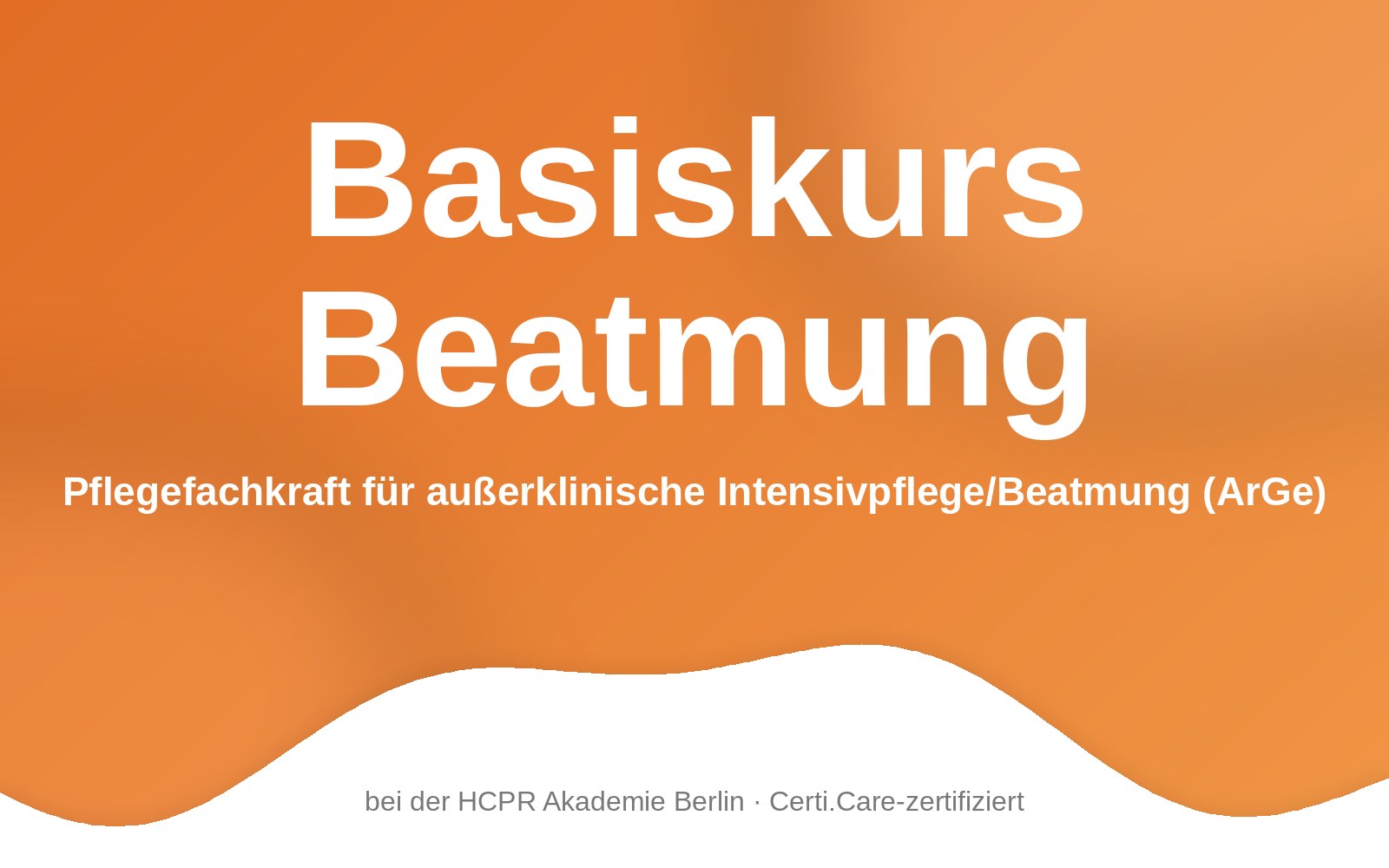
Basiskurs Beatmung – Pflegefachkraft für außerklinische Intensivpflege/Beatmung (ArGe)

Basic Course – Specialist Nurse for Out-of-Hospital Intensive Care/Ventilation (ArGe)

Developed for professionals: directly applicable, clear and recognised under § 132l SGB V.

OPIC-Sim® Berlin · HCPR Academy

The 120-hour further training to become a specialist nurse for home mechanical ventilation follows the German federal framework recommendation under § 132l SGB V and prepares nurses for the complex demands of out-of-hospital intensive care. It combines theory and practice, as is essential for caring for ventilated people with intensive nursing needs. The course is based on the recognised curriculum of the ArGe of the professional societies and is certified by Certi.Care. The focus is on transferring theory into practice: participants build their own nursing portfolio.

What the seminar offers

The course is aimed at registered nurses who work in out-of-hospital intensive care or want to enter this field. It qualifies you to provide specialist nursing care for ventilated people and for people with a tracheostomy tube who are not ventilated but need out-of-hospital intensive care. Scope: 106 teaching units of theory on 10 course days – 90 units in person at the learning centre, 16 units of guided case work and e-learning – plus 40 hours of placement on an intensive-care or home-ventilation ward or in an out-of-hospital intensive-care facility. Completion: regular attendance, passed learning assessment and proof of placement. HCPR then applies to Certi.Care for your certificate “Specialist Nurse for Out-of-Hospital Intensive Care/Ventilation (ArGe)” with a personal certification and registration number.

Contents

  • Nursing: tracheostoma and tracheostomy tube management · humidification systems · emergency management and basic life support · secretion management and inhalation therapy · enteral nutrition and swallowing disorders
  • Medical: anatomy and physiology (brain, nervous system, cardiovascular system, airway, lung and respiratory pump) · diseases of respiratory insufficiency · basics of ventilation, modes and parameters · oxygen therapy and blood gas analysis · monitoring and hygiene
  • Psychosocial and legal: psychosocial support · advance directives and ethical questions · communication in out-of-hospital intensive care · handling medical devices · insights into the IPReG · legal questions
  • Quality management and organisation: quality requirements in out-of-hospital intensive care

Where

  • OPIC-Sim® Berlin – in the programme of the HCPR Academy Berlin: dates and registration there (German).

Dates & registration at HCPR Enquiry Back to overview

✕
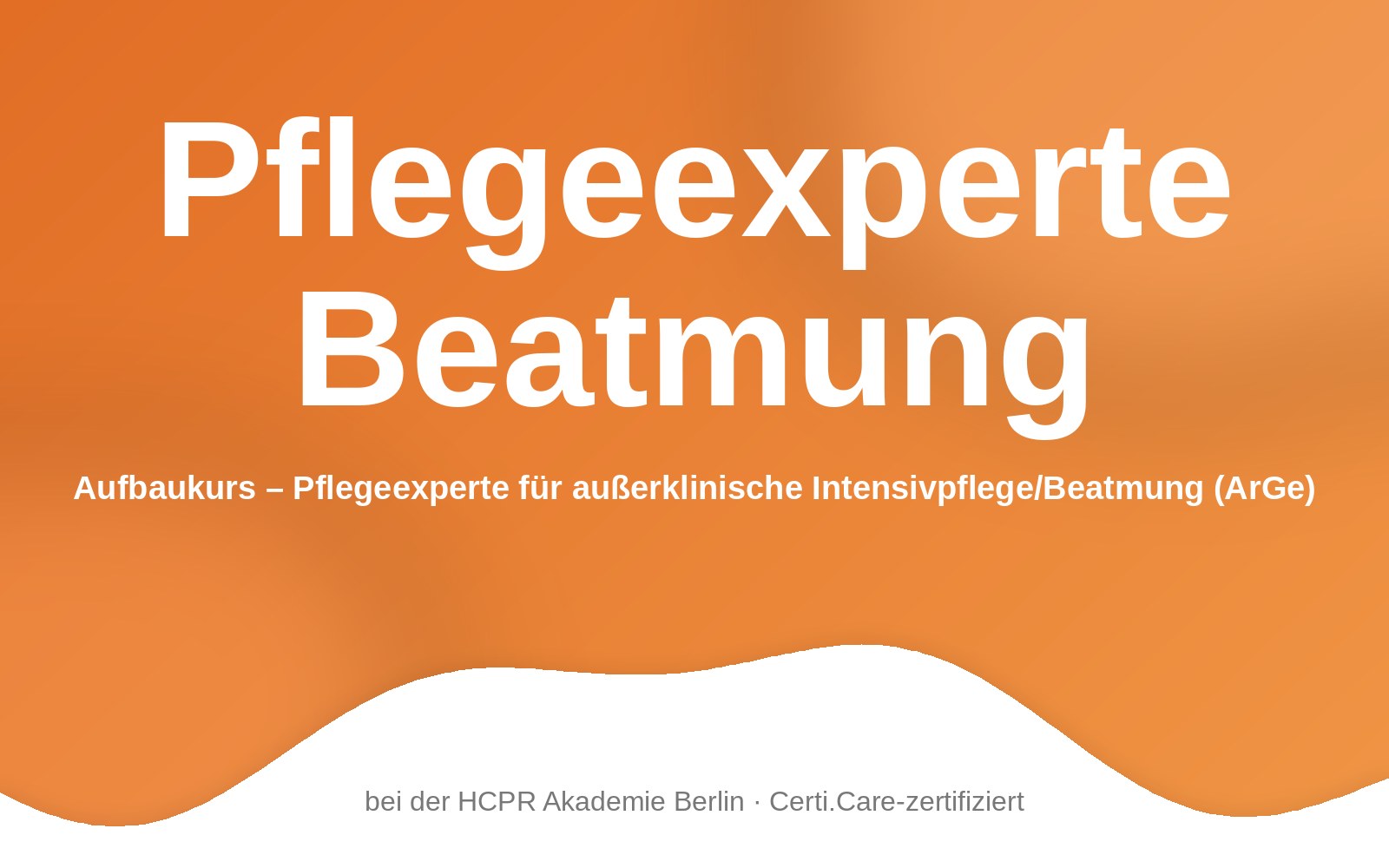
Pflegeexperte Beatmung – Aufbaukurs (ArGe)

Expert Course – Nursing Expert for Out-of-Hospital Intensive Care/Ventilation (ArGe)

After the basic course: deepen, lead, take responsibility – the qualification for departmental management.

OPIC-Sim® Berlin · HCPR Academy

After the basic training you deepen your knowledge of out-of-hospital ventilation care. The advanced course to become a nursing expert for out-of-hospital intensive care/ventilation is certified by Certi.Care and qualifies you for leading roles in intensive care: with this qualification you can take on the position of departmental manager in your care company – under § 132l SGB V every provider of out-of-hospital intensive care must appoint one departmental manager per 12 clients. The course implements the nationally recognised curriculum of the ArGe of the professional societies; the focus is on transferring theory into practice and on your own nursing portfolio.

What the seminar offers

The course is aimed at nurses who want to work as departmental managers in out-of-hospital care, and at nurses who independently care for ventilator-dependent people and want to deepen and extend their knowledge. Scope: 80 hours of theory, 20 hours for the written assignment and colloquium, and 40 hours of placement in hospital intensive care; 40 hours of theory and 20 hours of placement are credited from the basic course – 200 hours in total. Completion: regular attendance, passed learning assessment, written assignment presented in the examination colloquium (written multiple-choice exam and presentation of the paper) and proof of placement. HCPR then applies to Certi.Care for your certificate “Nursing Expert for Out-of-Hospital Intensive Care/Ventilation (ArGe)”.

Contents

  • Nursing: support concepts and treatment of clients with perceptual impairments · respiratory therapy measures · pain management · hygiene · nutrition and dysphagia
  • Medical: special pathology · advanced ventilation
  • Psychosocial and legal: ethics in an intercultural context · self-care and resilience
  • Academic work: writing an assignment
  • Management: methodological competence in nursing
  • Psychosocial: communication and instruction situations
  • Examination colloquium: written multiple-choice exam and presentation of the paper

Where

  • OPIC-Sim® Berlin – in the programme of the HCPR Academy Berlin: dates and registration there (German).

Dates & registration at HCPR Enquiry Back to overview